comprehensive support for wildlife removal
Understanding Wildlife Control: Effective Strategies and Dead Animal Removal Services
Animal control involves approaches intended to regulate animal populations and maintain secure surroundings. Understanding the impact of common intruders is essential for homeowners. Effective prevention methods can greatly reduce the risk of wildlife intrusions. Additionally, the timely removal of dead animals is critical for health and safety. However, many remain unaware of the key elements involved in effective wildlife control and the importance of professional services. What steps can be taken to safeguard useful information homes and communities?
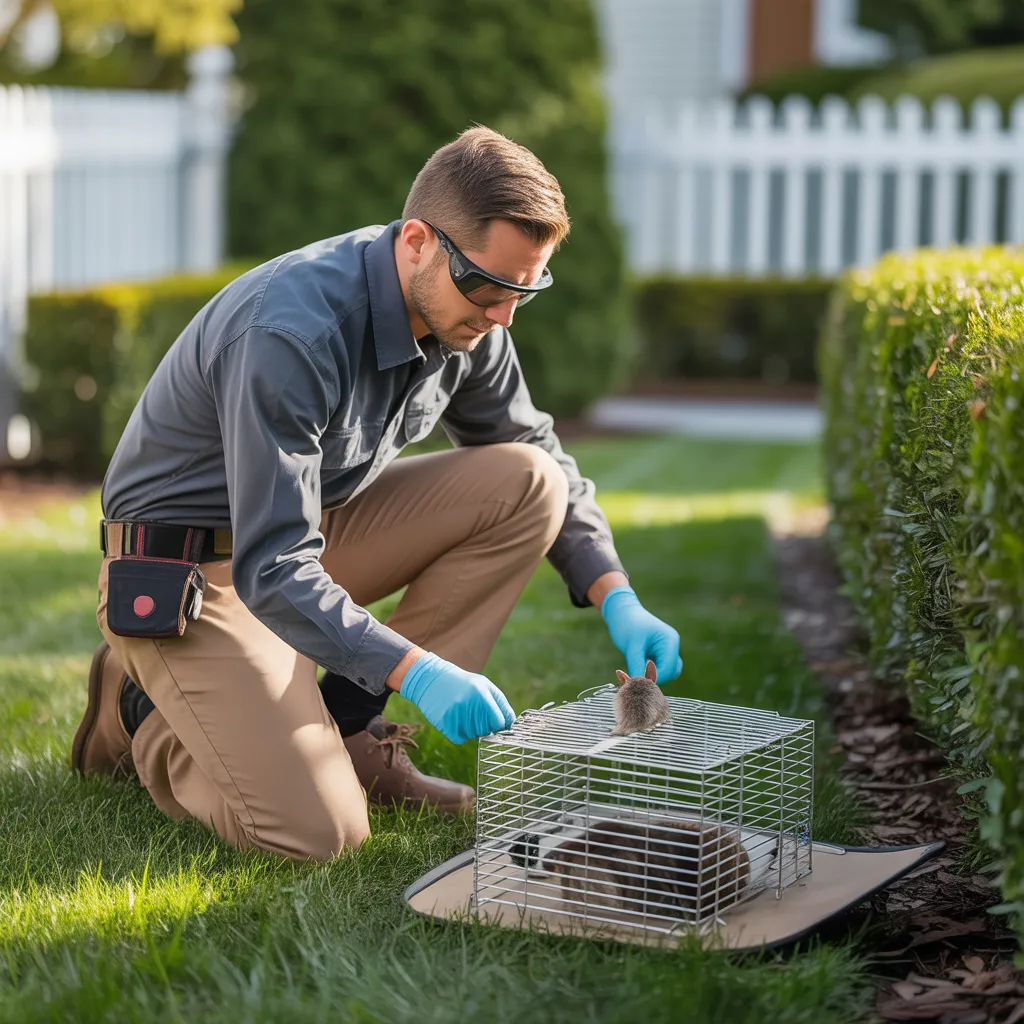
What Is Wildlife Control and Why Is It Important?
Wildlife control includes a variety of approaches designed to managing animal populations and their interactions with human environments. This approach is essential for sustaining ecological harmony and limiting disputes between animals and people. Proper wildlife management helps protect public health by mitigating risks associated with zoonotic diseases, which have the potential to pass from animals to humans.
Moreover, it safeguards farming concerns by handling animals that pose a risk to agricultural resources. By implementing humane methods, animal control promotes coexistence, ensuring that both human needs and animal welfare are prioritized.
Additionally, it acts to preserve biological diversity by addressing foreign species that can destabilize regional ecosystems. Ultimately, animal control is necessary not only for strengthening safety and limiting property damage but also for encouraging a balanced interaction between people and the surrounding ecosystem.
How Common Wildlife Intruders Damage Your Home
Frequent wildlife invaders create major hazards for households, causing structural deterioration that can weaken a building's foundation. These animals are also known to pollute insulation materials, producing harmful conditions for those living inside. Furthermore, having these creatures nearby introduces serious electrical dangers, given their tendency to bite through cables, increasing the risk of fires.
Structural Damage Risks
The presence of wildlife intruders may result in significant structural damage in homes. Creatures including raccoons, squirrels, and rodents frequently take advantage of vulnerabilities in building exteriors, forming access points that weaken structural stability. Raccoons, as a prime copyrightple, are capable of ripping away roofing components and deteriorate insulation, while squirrels can nibble on electrical cables and timber beams, increasing the risk of fire hazards. Furthermore, burrowing animals can undermine foundations by creating tunnels, increasing the likelihood of structural collapse. As time passes, these breaches can allow moisture to enter, leading to mold growth and wood rot. Residents ought to be watchful for indicators of animal intrusion to avert costly damage and secure the protection and durability of their homes. Prompt intervention is essential to mitigate these risks.
Insulation Contamination Issues
Insulation acts as a vital defense against temperature variations, but it can quickly be undermined by intruding animals. Creatures such as rodents and wild animals can tear through insulation materials, forming openings that enable deeper access into residential structures. Their habitation tendencies commonly cause the insulation to be soiled with droppings, waste, and other materials, resulting in widespread contamination. This not only reduces the insulation's performance but also creates health hazards through possible exposure to dangerous pathogens. Furthermore, decomposing animal remains can produce foul odors and draw in additional pests. Residents need to resolve insulation contamination without delay to sustain both energy efficiency and air quality indoors, highlighting the necessity of proper wildlife management and remediation strategies.
Electrical Safety Concerns
In what ways do wildlife intruders create electrical hazards in homes? Typical wildlife pests, including rodents and birds, can inflict considerable damage on electrical systems. Rodents, particularly, are known for gnawing on wires, which can lead to exposed conductors and potential short circuits. This creates not only a fire hazard but also elevates the risk of electrical shock for residents. In addition, nesting materials left by birds can clog ventilation systems or collect near electrical panels, significantly raising fire hazards. Additionally, wildlife can introduce excess moisture via burrows or droppings, establishing conditions that encourage corrosion and electrical system failure. Addressing these risks through effective wildlife control and regular inspections is essential to maintaining a safe living environment.
How to Recognize Indicators of Wildlife Activity
Detecting signs of animal presence is vital to effective control strategies. Typical signs consist of footprints, recognizable sounds, and strange smells that can indicate the presence of unwanted wildlife. Recognizing these signs early can aid in reducing possible property damage.
Frequent Animal Tracks in the Wild
A large number of outdoor enthusiasts discover that identifying common animal tracks is crucial for gaining insight into local ecosystems. Prints differ among species, featuring unique shapes and dimensions. As an illustration, the tracks of deer appear heart-shaped, while raccoon prints exhibit a hand-like appearance with elongated fingers. The tracks of canines, including coyotes, present a notably oval shape accompanied by visible claw impressions. copyrightining the distance between prints can offer valuable hints about the creature's size and pace. Additionally, identifying claw marks can help differentiate between species; to illustrate, the tracks of a bobcat notably lack visible claw marks, setting them apart from a dog's prints. Understanding these details aids in wildlife observation and conservation efforts, enriching the appreciation of nature.

Sounds and Odors
Identifying wildlife activity often involves more than visible signs like trail markings; noises and smells play significant roles as well. Noises such as rustling in the bushes, scraping within walls, or after-dark vocalizations can indicate animals searching for food or refuge. Each species produces distinct sounds, making it easier to identify the likely animals involved. Scents likewise deliver essential information. A musty smell may indicate a hidden animal nest, while a foul odor could reveal a perished animal close by. Identifying these sensory signs enables homeowners to respond without delay. By remaining vigilant to both noises and odors, individuals can accurately evaluate wildlife activity and begin suitable management steps before the situation escalates.
Pest and Wildlife Control: Essential Tactics for Keeping Animals at Bay
Keeping animals from entering your property requires a strategic approach that combines knowledge of wildlife behavior with effective deterrent techniques. Residents ought to start by pinpointing likely entry spots, such as holes in walls, overhead spaces, or underground sections, and seal them to eliminate access. Regular maintenance of the property, including clearing away waste and fastening trash containers, can discourage wildlife in search of nourishment.
Additionally, employing natural repellents like motion-activated lights or sound devices can prevent uninvited creatures. Yard design choices also have an impact; incorporating native plants and keeping a well-maintained yard can lessen the draw for numerous species. Educating residents about local wildlife habits increases awareness and supports preventive actions.
The Role of Professional Wildlife Control Services
When wildlife invasions surpass the ability of homeowners to handle, professional wildlife management services become a necessary solution. These expert services deliver proficiency in recognizing and managing a broad spectrum of wildlife problems, ensuring both security and adherence to local guidelines. Skilled specialists employ humane capture methods and exclusion strategies to reduce the effect on surrounding ecosystems while successfully addressing wildlife conflicts.
Additionally, these companies often conduct comprehensive assessments of properties to uncover potential weak points that may prompt future wildlife entry. By leveraging cutting-edge tools and methods, they can tackle the root origins of wildlife issues, rather than merely managing symptoms. This proactive approach not only shields homes but also fosters coexistence with local wildlife. At the end of the day, enlisting professional wildlife control services assures that homeowners can address intricate wildlife situations safely and effectively, reducing risks to property and their overall well-being.
Reasons Why Dead Animal Removal Is Important
The existence of deceased animals on a property can pose significant health risks and attract unwanted pests. Decaying carcasses emit dangerous bacteria and pathogens, which can taint soil and water resources, jeopardizing human and animal health. Moreover, the stench arising from a rotting body can disturb the living conditions of neighboring residents and create an unpleasant environment.
Moreover, dead animals can become a source of food for foraging pests, including insects and rodents, causing additional infestations. This can develop into more significant issues, necessitating more comprehensive pest control measures. The timely removal of dead animals is essential to mitigate these risks and ensure environmental safety is restored.
Specialized dead animal removal providers have the capability to address these scenarios promptly, guaranteeing appropriate disposal and thorough sanitation. By tackling the problem promptly, property managers can preserve their health, preserve local ecosystems, and sustain the quality of their property.
What to Look for in a Wildlife Control Service?
Effective wildlife control services are vital for maintaining a safe and healthy environment, most notably when dealing with situations such as dead animal removal. When seeking a wildlife control service, several key factors should be considered. As a first step, ensure the company is fully licensed and insured, because this establishes their authenticity and provides protection from liability. Industry experience is a critical factor; a company with a proven track record is more likely to handle various wildlife issues effectively.
Additionally, ask about their techniques for animal control and prevention, ensuring they employ compassionate and environmentally conscious practices. Customer feedback and testimonials can offer valuable information about the service's consistency and quality.
Ultimately, a trustworthy service should offer a thorough assessment and continued monitoring to avoid recurring wildlife invasions. By evaluating these criteria, clients can choose a wildlife management provider that prioritizes efficiency, safety, and responsible methods.
Questions Our Customers Often Ask
What Are the Laws and Regulations Governing Wildlife Control in My Area?
Legal regulations for wildlife management vary by location, often requiring permits for capturing and relocating animals. Local wildlife agencies offer guidance, ensuring humane treatment and adherence to conservation regulations to preserve wildlife and natural ecosystems.
What Is the Safe Way to Handle a Dead Animal on My Property?
When safely handling a dead animal, one should use protective gloves, utilize a shovel to remove the body, double-bag the body, and remove it following local disposal regulations, guaranteeing proper sanitation and reducing potential health risks.
What Are the Pricing Details for Wildlife Control Services?
Wildlife control service costs can vary significantly, typically ranging from $100 to $1,500. Variables that impact pricing encompass the kind of wildlife present, severity of the infestation, along with the control methods and preventative measures utilized.
Is It Possible for Wildlife Control to Completely Prevent Future Infestations?
Wildlife control significantly lowers the likelihood of subsequent pest issues through preventive measures, but there is no guarantee of total elimination. Ongoing monitoring and maintenance are essential to limit associated risks and resolve any concerns as they arise.
Which Animal Species Require Specialized Removal Approaches?
Specific animals, among them raccoons, bats, and snakes, need specialized removal methods due to their unique behaviors and potential health risks. Trained specialists must apply specific techniques to secure safe and ethical handling throughout the removal procedure.